At the start of 2026, I set myself a somewhat ambitious goal: cook traditional dishes from 30 different countries over the course of the year, hosting a weekly dinner for friends along the way. Ambitious because I'm a decent home cook, not a great one.
That annual goal tradition is now in its third decade. Each year I pick something that pushes me in a direction I wouldn't naturally go, physically, intellectually, or creatively. Previous years have ranged from physical challenges to deep reading projects to learning new skills. This year is food, geography, and hospitality, all at once.
Twelve countries in, I'm calling it on track. You can see the full list, with recipes and notes, on my cooking page. Peru, South Korea, Zanzibar, Morocco, and eight others so far.
The learning curve has been steeper than I expected, and in ways I didn't anticipate. I knew I'd pick up techniques and flavor combinations. What I didn't expect was how quickly food pulls you into history and geography. Each recipe on the site begins with the historical and social context of the dish, which I've genuinely enjoyed researching. Why does this cuisine use these spices? What trade routes brought them here? What does a street food tell you about how a culture eats and socializes? Food turns out to be a remarkably efficient delivery mechanism for all of that. I've read more about colonial history and agricultural economics this year than in the previous decade, all in service of understanding why a dish tastes the way it does.
Our friends have picked up on that thread too. Having a specific cuisine as the evening's theme gives everyone something to talk about before the food even arrives. I'll usually put together a playlist from the country, which sets a mood without requiring anyone to perform enthusiasm for music they've never heard. We'll often talk about travels in that region, and I've linked to some of those on my travel page as well. It's become more of an experience than a dinner party, which I mean as a compliment to the format, not a warning about the company.
The sourcing has been manageable. My local supermarket and the Asian market nearby handle most of it. Amazon has made a few appearances for specialty items: aji amarillo paste for the Peruvian Pescado a la Chorillana, a specific tamarind paste, a dried spice for the Zanzibari filling. Nothing exotic enough to require a passport.
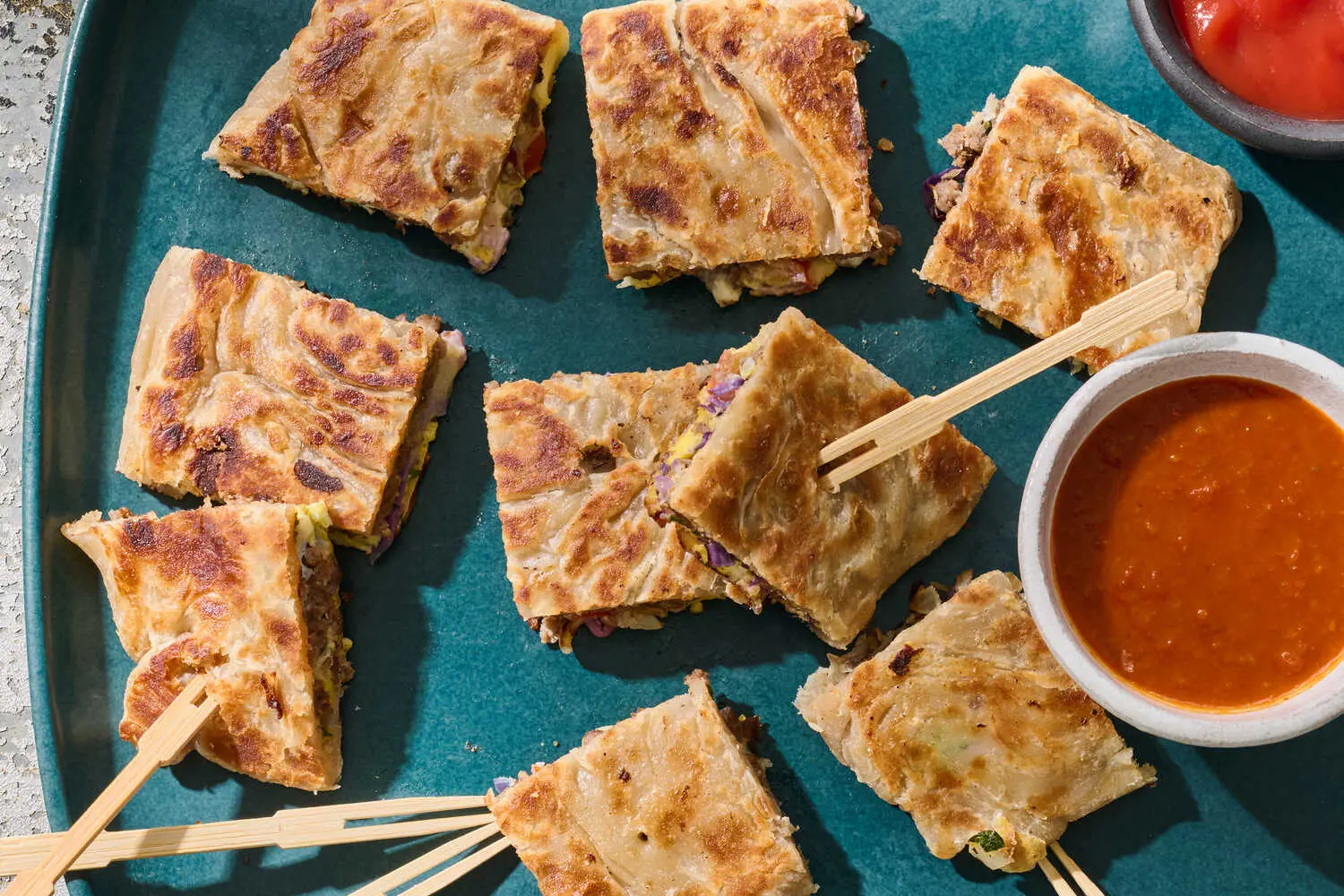
The Pescado a la Chorillana remains the clear favorite so far, a Peruvian fish dish with a bold tomato and pepper sauce that manages to be both simple and startlingly good. The Zanzibari pizza is worth a separate mention if only because the name invites skepticism. It's real, it's a street food, and it's a spiced flatbread folded and pan-fried, finished with egg. We made a vegetarian version that worked beautifully. Our friends were skeptical until they tasted it, which has become a reliable pattern at these dinners. The South Korean salmon with a gochujang glaze rounds out the top three.
A full meal with two or three sides takes real preparation, and the cleanup is its own adventure. But the social payoff has been genuine. We're more connected to our friends than we were a year ago, which wasn't something I listed as a project objective but probably should have been.
Eighteen countries to go. If you're curious about specific recipes or want to suggest a country I shouldn't miss, the cooking page has all the details.