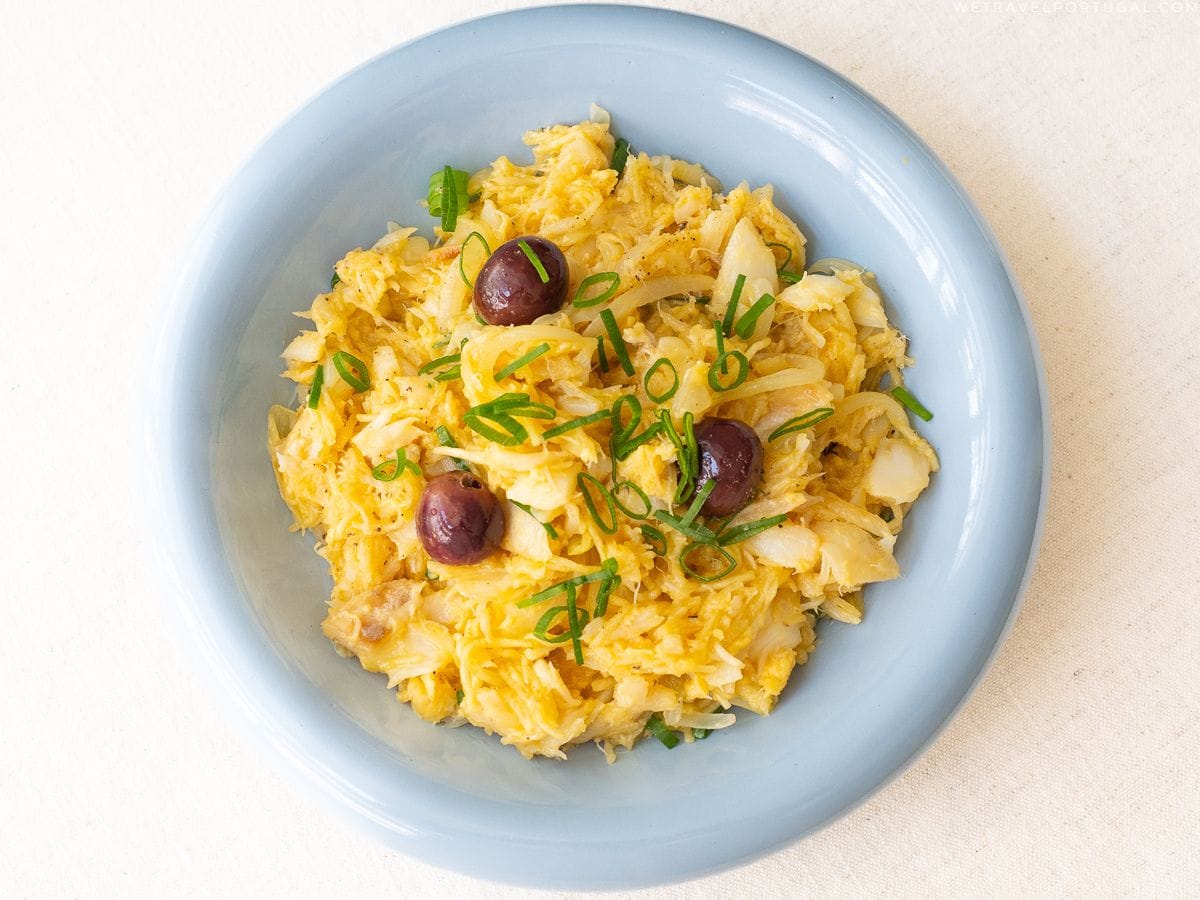
From my Cooking the World Series...
Bacalhau à Brás is one of Portugal's most cherished comfort foods, a dish that appears on tables from Lisbon tascas to home kitchens across the country. Named after its creator—a 19th-century Lisbon tavern owner in the Bairro Alto district—this preparation transforms simple ingredients into something far greater than the sum of its parts. While Portugal is famously said to have "365 recipes for cod, one for every day of the year," Bacalhau à Brás stands out for its accessibility and universal appeal. It requires no special equipment, no long soaking times, and delivers consistent comfort: golden shoestring potatoes bound with creamy scrambled eggs and flakes of tender cod, finished with the sharp accent of black olives and fresh parsley.
The dish exemplifies Portuguese culinary values shaped by centuries of maritime history and resourcefulness. During the Age of Discovery, salt cod became a cornerstone protein for its shelf stability on long voyages, and it remains deeply embedded in Portuguese food culture today. Bacalhau à Brás reflects the national preference for restraint and balance—olive oil, onions, garlic, and eggs form a consistent flavor base that highlights rather than disguises the main ingredient. Compared to neighboring Spain's bolder spicing or Italy's more elaborate sauces, Portuguese cooking tends toward honest simplicity, often finished with acidity or brine to brighten rich components. This dish, with its tender eggs and crisp potatoes, captures that philosophy perfectly.
Bacalhau à Brás (Fresh Cod, Baked Potatoes)
Serves: 2–3
Total time: ~40 minutes
Side: Basic salad
Ingredients
- 0.8 lb fresh rock cod, skin removed, flaked
- 1/2 lb Yukon Gold or russet potatoes, julienned (matchsticks)
- 1 medium yellow onion, thinly sliced
- 2 cloves garlic, minced
- 4 large eggs
- 2–3 Tbsp olive oil (total)
- Black pepper
- Salt, to taste
- 2 Tbsp fresh parsley, chopped
- 1/4 cup black olives
Instructions
Step 1: Bake the Potatoes
- Heat oven to 425°F (220°C).
- Rinse julienned potatoes under cold water to remove surface starch; dry extremely well with a towel.
- Toss with 1 Tbsp olive oil and a light pinch of salt.
- Spread in a single layer on a parchment-lined baking sheet (overcrowding prevents crisping).
- Bake 18–25 minutes, flipping once halfway, until golden and crisp at the edges.
- Set aside uncovered so they stay crisp.
Tip: If your oven runs cool, finish with 1–2 minutes under the broiler.
Step 2: Build the Brás Base
- In a wide skillet over medium heat, warm 1–2 Tbsp olive oil.
- Add onions; cook slowly until soft and lightly golden (6–8 minutes).
- Add garlic; cook 30 seconds.
Step 3: Cod + Eggs
- Add cod; cook gently until just opaque and flaky, 3–4 minutes.
- Lower heat. Fold in baked potatoes.
- Beat eggs lightly with black pepper; pour in and stir constantly until eggs are softly set and creamy.
- Remove from heat immediately.
Step 4: Finish
- Taste and adjust salt carefully.
- Sprinkle with parsley and scatter olives on top.
- Serve right away.
A Brief Look at Portuguese Cuisine
Cuisine in Portugal is deeply shaped by the sea, history, and restraint. Cod—bacalhau—is famously said to have "365 recipes," one for every day of the year. Traditionally preserved as salt cod for long voyages during the Age of Discovery, bacalhau became a cornerstone protein, valued for its shelf stability and adaptability. Dishes tend to highlight the main ingredient rather than disguise it: olive oil, onions, garlic, eggs, and herbs form a consistent, economical flavor base.
Portuguese cooking favors balance over intensity. Compared with neighboring Spain, spices are used sparingly; compared with Italy, sauces are simpler. The result is food that feels honest and comforting, often finished with acidity or brine—vinegar, olives, or citrus—to brighten rich components like eggs and olive oil. Bacalhau à Brás exemplifies this ethos: humble pantry ingredients, careful technique, and a final dish that is far greater than the sum of its parts.